
Do you ever feel like your prayers are going unheard… no matter how often you pray? It can be frustrating, even discouraging, to speak from your heart yet still feel spiritually distant.
You’re not alone. Many people struggle with distractions during prayer, lack of focus, or a weak connection with God without realizing that small hidden habits may be the reason.
The truth is, powerful prayer is not about saying more words it’s about saying them the right way. In fact, there are certain things you should never do while praying that can silently weaken your faith, reduce your focus, and limit the impact of your prayers.
The good news? Once you identify and fix these mistakes, your prayer life can completely transform becoming more peaceful, meaningful, and spiritually powerful.
In this guide, you’ll discover:
Simple steps to improve your spiritual connection and prayer life
The most common prayer mistakes to avoid
Proven ways to build effective prayer habits
you may also like to read about April Blessing: 🌸 160 Powerful April Blessings, Prayers & Quotes for a Fresh Start (2026)
⭐ What Should You Avoid While Praying? (Quick Answer)
The most common things you should avoid while praying include lack of focus, rushing, showing off, doubt, negative thinking, and forgetting gratitude. Avoiding these helps you develop mindful prayer, sincerity, and a deeper connection with God.
🙏 Why Proper Prayer Matters
Prayer is not just about words it is about connection, intention, and sincerity. A meaningful prayer reflects faith, humility, and trust in God.
When done correctly, prayer can:
- Strengthen your relationship with God
- Bring inner peace and emotional balance
- Improve mental clarity and focus
- Support spiritual discipline and growth
📖 “But when you pray, go into your room, close the door and pray to your Father…” — (Matthew 6:6)
10 Things You Should Never Do While Praying
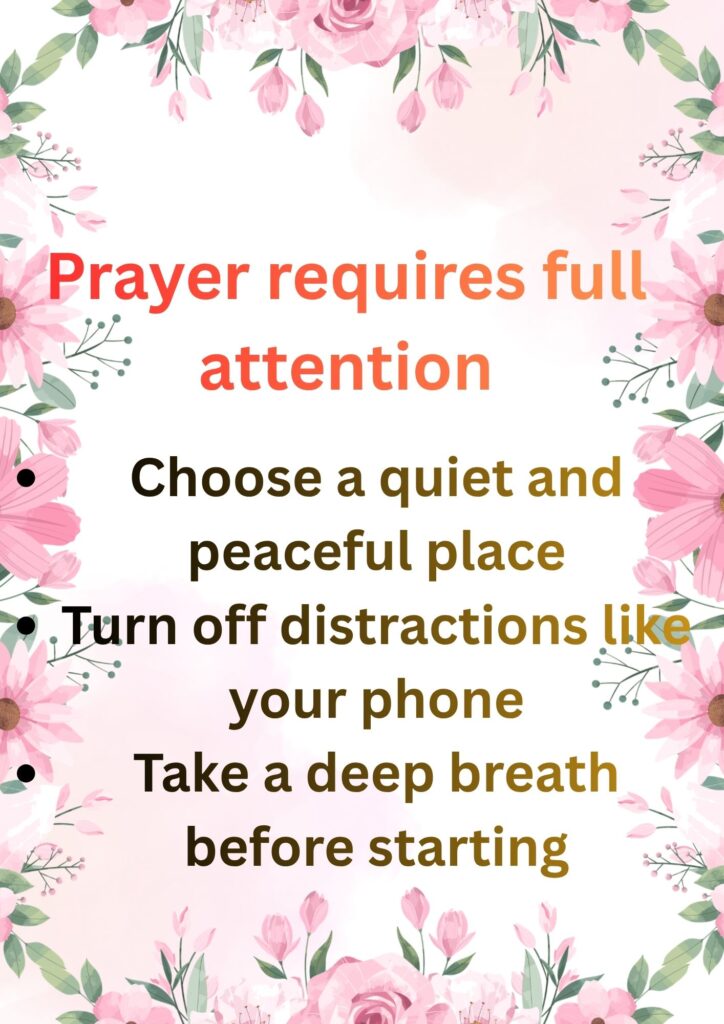
1. Praying Without Focus
One of the biggest common mistakes in prayer is letting your mind wander.
Why it matters:
When your mind is distracted, prayer becomes mechanical instead of meaningful. This weakens your connection with God.
Example:
Thinking about work, social media, or problems while praying.
✅ How to improve:
- Choose a quiet place
- Take deep breaths before starting
- Practice mindful prayer techniques
2. Rushing Through Prayer
Treating prayer like a quick task reduces its impact.
Why it matters:
A rushed prayer lacks depth, sincerity, and emotional connection.
Example:
Praying quickly just to “get it done.”
✅ How to improve:
- Slow down your words
- Pause between sentences
- Focus on meaning, not speed
3. Showing Off While Praying
Prayer should never be done to impress others.
Why it matters:
It removes sincerity in prayer, which is essential for spiritual growth.
📖 “Do not be like the hypocrites…” — (Matthew 6:5)
✅ How to improve:
- Pray privately when possible
- Focus on your relationship with God, not people
4. Praying Without Understanding
Repeating words without meaning leads to empty prayer.
Why it matters:
Understanding creates emotional and spiritual depth.
Example:
Reciting memorized prayers without knowing their meaning.
✅ How to improve:
- Learn the meaning of your prayers
- Use your own words sometimes
5. Lacking Humility
Pride can block your spiritual connection.
Why it matters:
God values humility and sincerity, not arrogance.
✅ How to improve:
- Approach prayer with a humble heart
- Acknowledge your dependence on God
6. Doubting Your Prayer
Doubt can weaken your faith and reduce the power of your prayer.
Why it matters:
Belief is essential for a strong spiritual connection.
How to improve:
- Trust that God hears you
- Stay patient
- Strengthen your faith through reflection
7. Being Physically or Mentally Unprepared
Prayer requires both physical cleanliness and mental readiness.
Why it matters:
Preparation helps you focus and feel spiritually aligned.
How to improve:
- Maintain cleanliness
- Clear your mind before praying
- Take a moment to relax
8. Only Praying in Difficult Times
Many people turn to prayer only during problems or hardships.
Why it matters:
Prayer should be consistent, not occasional.
How to improve:
- Pray daily, even in good times
- Build a habit of gratitude
- Stay connected regularly
9. Letting Negative Thoughts Take Over
Negative thinking during prayer can affect your mindset and faith.
Why it matters:
Prayer should bring hope, not fear.
How to improve:
- Focus on positive thoughts
- Replace fear with trust
- Stay hopeful
10. Forgetting Gratitude
Many prayers focus only on asking, not thanking.
Why it matters:
Gratitude strengthens your relationship with God.
How to improve:
- Start your prayer with thanks
- Appreciate small blessings
- Express gratitude daily
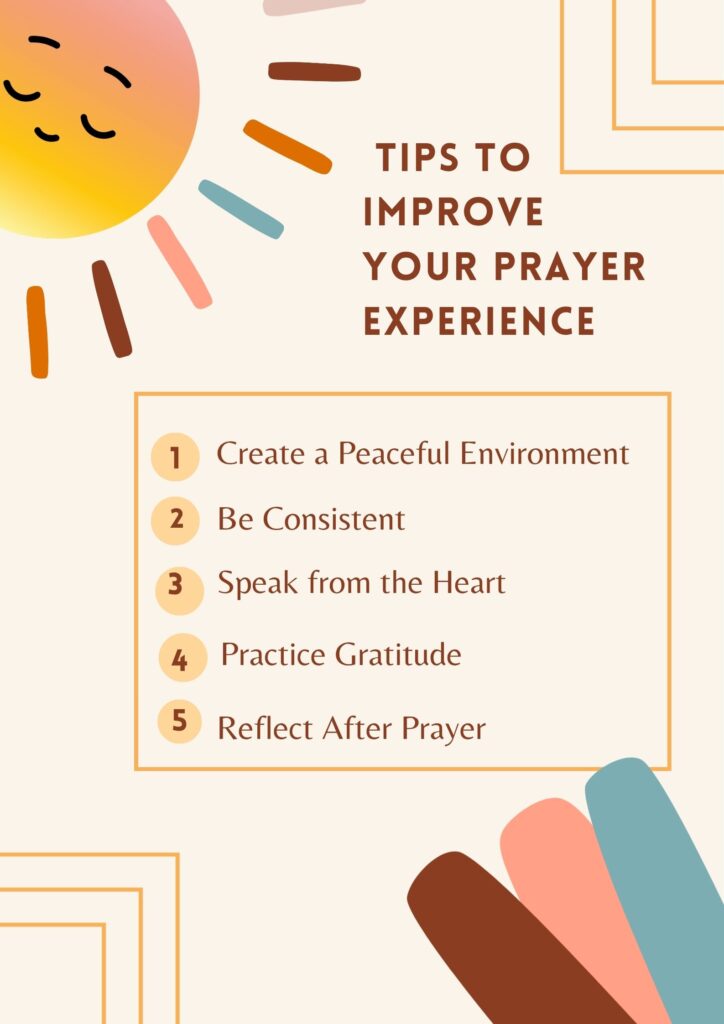
Tips to Improve Your Prayer Experience
Improving your prayer life doesn’t require perfection just intention and consistency. Here are practical ways to enhance your spiritual connection:
1. Create a Peaceful Environment
Choose a quiet place where you can pray without interruptions.
2. Be Consistent
Make prayer a daily habit, even if it’s short.
3. Speak from the Heart
Use your own words and be honest in your communication.
4. Practice Gratitude
Always include thankfulness in your prayer.
5. Reflect After Prayer
Take a moment to feel the peace and connection.
Also Read :100+ Good Morning Blessings, Quotes & Prayers with Images (2026)
Benefits of Avoiding These Prayer Mistakes
When you avoid these common mistakes, your prayer becomes more meaningful and impactful.
1. Stronger Connection with God
You feel closer and more spiritually connected.
2. Inner Peace and Calmness
Prayer reduces stress and brings emotional balance.
3. Increased Faith and Confidence
Belief grows stronger over time.
4. Better Focus and Clarity
Your mind becomes clearer and more disciplined.
5. Spiritual Growth
You develop a deeper understanding of your faith.
Also more : Scientific Review on Prayer and Wellbeing (Springer)
Conclusion
Prayer is a powerful tool that connects you with God, brings peace to your heart, and strengthens your faith. However, small mistakes can reduce its impact without you even realizing it. By understanding the things you should not do while praying, you can transform your prayer into a more meaningful and fulfilling experience.
Avoid distractions, stay humble, be consistent, and always pray with sincerity and gratitude. Over time, these simple changes will help you build a stronger spiritual connection, improve your inner peace, and grow in faith.
Remember, prayer is not about perfection it is about connection, intention, and a sincere heart.
Frequently Asked Questions
1. What are the three forbidden times to pray?
In Islam, prayer is discouraged at sunrise, at the sun’s highest point (midday), and at sunset.
2. What are the 7 P’s of prayer?
A common version includes: Purpose, Preparation, Praise, Protection, Provision, Pardon, and Perseverance.
3. What happens at 3AM in the Bible?
The Bible doesn’t specifically mention 3AM, but night hours are often seen as a time of deep prayer and spiritual seeking.
4. Can praying lower blood pressure?
Yes, prayer can promote calmness and reduce stress, which may help lower blood pressure.
5. Why should we pray at 3AM?
Many believe it’s a quiet, distraction-free time that allows deeper focus and a stronger spiritual connection.

Welcome to Infoz Prayer! I’m Naeem khan I am a content writer with two year experiences. Let’s achieve more together